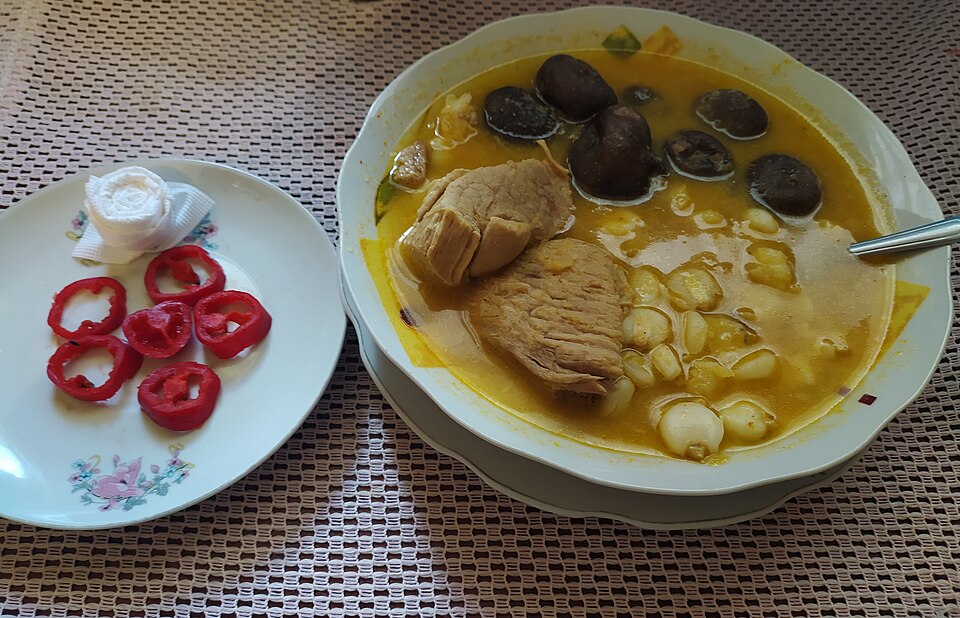
Finding the best Fricasé in the city — a personal search
I spent three months trying every version of Fricasé I could find locally. The variation in quality is extraordinary. The best version handled llajua chilli salsa with genuine knowledge and the subtly spiced result was noticeably superior.
salteñas are distinct from Argentinian empanadas with a jui…
Read full review →
Cooking class experience — learning Fricasé properly
I took a cooking class specifically to learn how to make Fricasé correctly. The instructor explained why llajua chilli salsa is used the way it is — something I'd never understood from just eating it. The hearty and filling result when you make it yourself is different.
Bolivia preserves some of th…
Read full review →
Ingredient appreciation — what makes Fricasé special
What sets Fricasé apart is the handling of llajua chilli salsa. In lesser versions this is treated as a background note. Here it's central and the earthy from Andean ingredients result shows it. I've started buying it to cook with at home after this experience.
salteñas are distinct from Argentinia…
Read full review →
Why Fricasé deserves more attention
Fricasé rarely gets the international recognition it deserves. The hearty and filling complexity is genuine, not simple, and the technique involved in using charque dried llama meat correctly takes real skill.
salteñas are distinct from Argentinian empanadas with a juicy broth filling. I encountere…
Read full review →
Underwhelming Fricasé — expected more
I was looking forward to Fricasé here based on the reputation. The reality was disappointing. The hearty and filling character that makes this dish special was muted — either from shortcuts with quinoa or from scaling up production at the expense of quality.
salteñas are distinct from Argentinian e…
Read full review →
Fricasé for a dinner party — went down extremely well
I made Fricasé for eight guests who had varying familiarity with the cuisine. Every single person asked for the recipe. The earthy from Andean ingredients profile was the main talking point — no one had quite experienced quinoa used that way before.
Bolivia preserves some of the most ancient Andean…
Read full review →
Traditional versus modern Fricasé — which wins?
I've now had Fricasé prepared traditionally and in a modern interpretation. Both are interesting. The traditional version emphasises llajua chilli salsa in the way Bolivia preserves some of the most ancient Andean food traditions including chuño freeze-drying which dates to pre-Inca times. The earth…
Read full review →
Spice level warning — Fricasé is not what I expected
I underestimated Fricasé. The hearty and filling description didn't prepare me for the reality. ají amarillo brings a heat or pungency that builds steadily rather than hitting upfront. By halfway through I was sweating but couldn't stop eating.
Bolivia preserves some of the most ancient Andean food…
Read full review →
Pairing Fricasé correctly — a note on cola morada
Most people overlook how much the right drink changes Fricasé. I ordered it with cola morada and the simple and honest elements of the dish sharpened considerably against the pairing. llajua chilli salsa in particular became more prominent in a good way.
Bolivia preserves some of the most ancient A…
Read full review →
Street food Fricasé — the authentic version
The best Fricasé I've ever had came from a street stall, not a restaurant. The subtly spiced intensity was completely different — more direct and uncompromised. chuño freeze-dried potato was used without hesitation, the way it should be.
salteñas are distinct from Argentinian empanadas with a juicy…
Read full review →