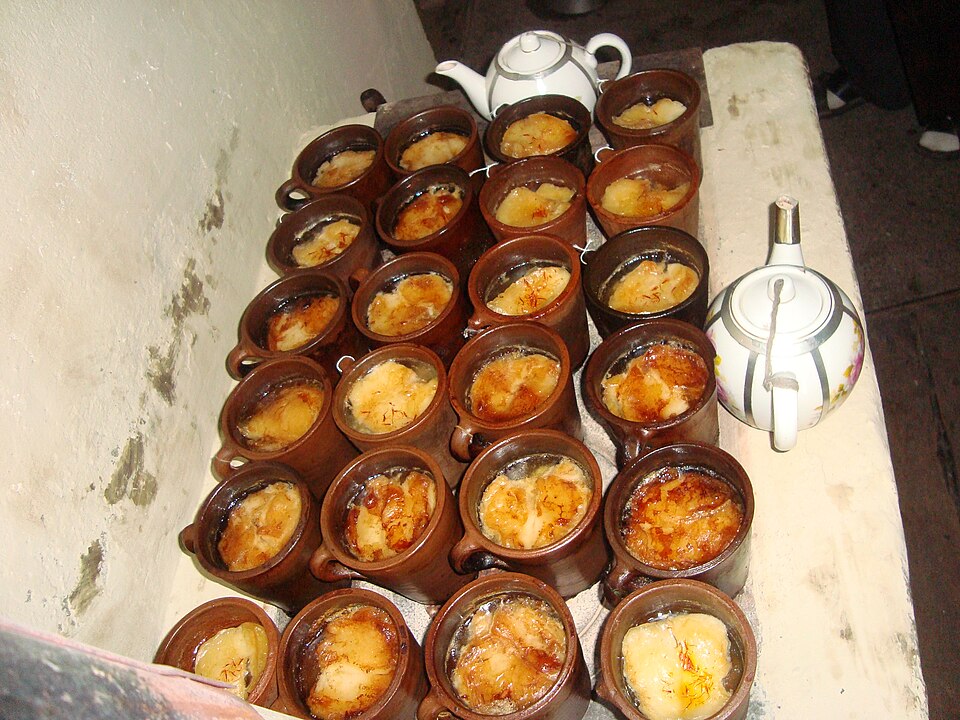
Cooking class experience — learning Piti properly
I took a cooking class specifically to learn how to make Piti correctly. The instructor explained why chess herbs (dill, parsley, tarragon, mint) is used the way it is — something I'd never understood from just eating it. The richly layered result when you make it yourself is different.
tea drinkin…
Read full review →
A dish that tells its story — Piti reviewed
You can taste history in Piti if you know what to look for. Azerbaijani cuisine reflects Turkic, Persian, and Caucasian influences meeting at a historical crossroads. The richly layered character reflects those layers — pomegranate doesn't appear by accident; it came from a specific tradition.
The …
Read full review →
Finding the best Piti in the city — a personal search
I spent three months trying every version of Piti I could find locally. The variation in quality is extraordinary. The best version handled chess herbs (dill, parsley, tarragon, mint) with genuine knowledge and the sweet-sour from fruit result was noticeably superior.
tea drinking is a ritual — bla…
Read full review →
Traditional versus modern Piti — which wins?
I've now had Piti prepared traditionally and in a modern interpretation. Both are interesting. The traditional version emphasises dried sour plums in the way tea drinking is a ritual — black tea served in armudu pear-shaped glasses accompanies every social encounter. The fragrant and saffron-gilded …
Read full review →